



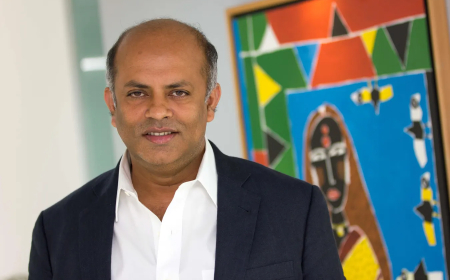






Episode 1 of The J-Z Show sets the stage with a candid exploration of Bangladesh’s politics, democracy, and shifting global image—through the contrasting yet complementary lenses of diplomacy and journalism.

Export-led growth should be a movement -- not a monopoly. If we want the next generation of Bangladeshi exporters to rise, we need to trust them, back them financially, and give them the tools -- not traps -- to succeed.


Why can we not have a transparent timeline detailing what reforms can be achieved if the elections are held in December, another showing what's possible by April, and a third one with a June 30 deadline?
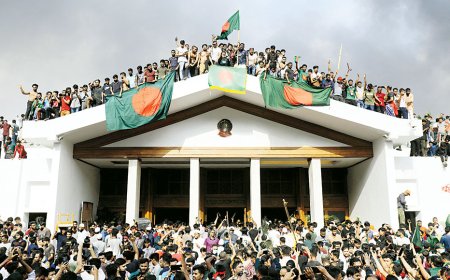
An orchestrated whisper campaign now paints Bangladesh’s July-Revolution youth as saboteurs of democracy. The allegation is as thin as it is dangerous, for it misunderstands both their mandate and the moment the nation inhabits.
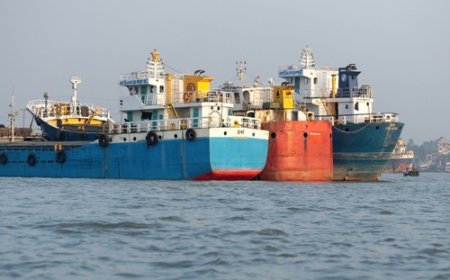
An inefficient private local company is driving port operations into the ground. We could enhance exports by bringing in an international operator. If we don't act now, it will only cost us that much more in the future.

In this era of internet and social media, people are not allowed to forget. Every information, every statement, every image lives forever. When we were given a rare opportunity for a new Bangladesh, people will remember who were for them, against them, and who betrayed them.
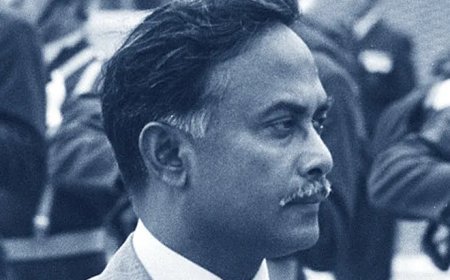
On the occasion of Zia’s 44th martyrdom anniversary, I express my hope that everyone involved will engage in long, dispassionate, and objective research on Zia’s role during the Liberation War.

What happens when history is turned into an instrument not of understanding, but of coercion, sanctification, and political legitimacy? Across continents and ideologies, regimes and ruling parties have wielded history not just to remember, but to silence, not to teach, but to control.
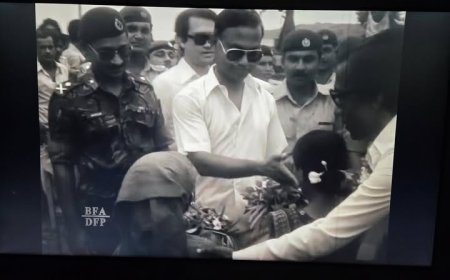
Now that Hasina is gone, it is time we explore these deep fissures in our formative years, not just through political thrillers, but also serious, scholarly enquiries.
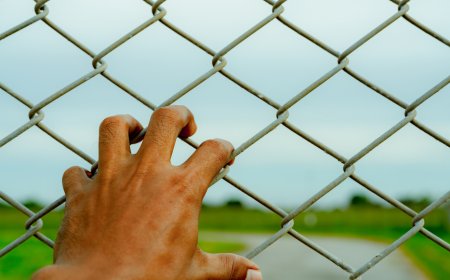
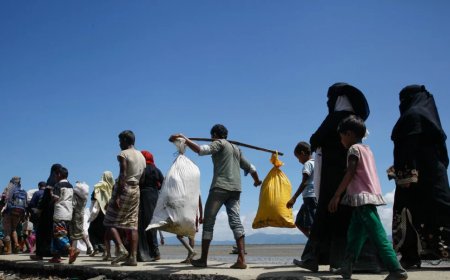
Bhasan Char is a symbol of the corruption and cronyism of the last regime, a so-called humanitarian scheme that served only to line the pockets of the powerful. The Interim Government can do the right thing by making a clean break from Sheikh Hasina's most disastrous Rohingya policy.

The only meaningful item remaining on the reform agenda is whether an Upper House should be based on PR or not. Everything else can be sorted out without difficulty. We are closer to consensus than you think.

Soon we will no longer be able to rely on Prof Yunus's global reputation to smooth things over with allies and adversaries alike. It is time for Bangladesh to invest in its diplomatic capacity. The future belongs to those who can skillfully maneuver on the world stage.

The Reappearance of the Once All-Powerful AL General Secretary Paints a Portrait of Moral Bankruptcy and Political Cowardice
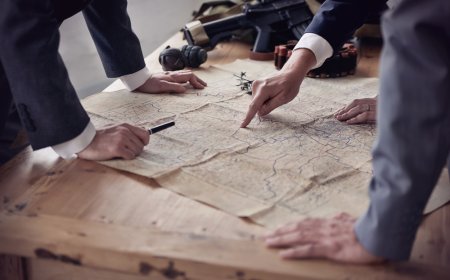
Creating Chaos in Dhaka Is Cheaper for India Than Confronting China in Lalmonirhat and the Bay of Bengal
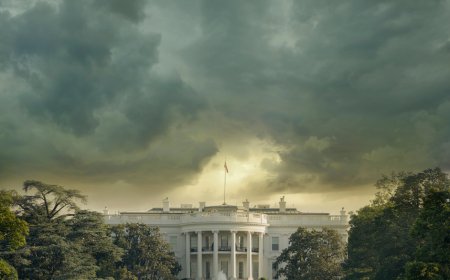
The White House is now a stage for public rebuke, political theatre, and intimidation disguised as diplomacy. Within this heavily guarded mansion now lies an inner chamber not of hospitality but of strategic humiliation, where world leaders no longer meet an equal but face a prosecutorial figurehead.

Edtech and e-learning are not a silver bullet. They are just one piece of a complex and many-layered puzzle that we need to solve to deliver education to the masses.